Thinking about renovating your home can be exciting, but figuring out how to pay for…
Renovation Loans for Manufactured Homes: Your Guide to Modernizing and Financing Upgrades
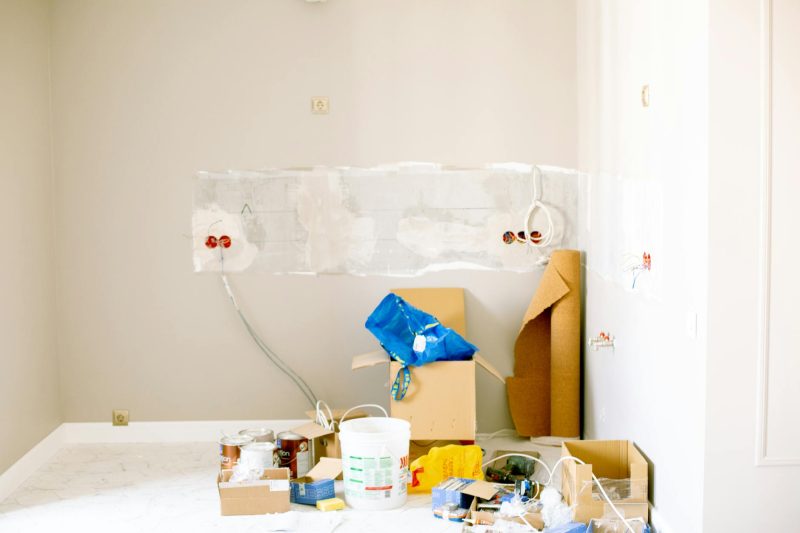
Owning a manufactured home brings unique advantages, but finding the right way to finance renovations or repairs can be confusing. A renovation loan for a manufactured home allows you to borrow funds to update, repair, or modernize your property—rolling upgrade costs into your mortgage or as a new loan. In this guide, we’ll cover how renovation loans work with manufactured homes, what options exist, and which steps to take in Kane County and surrounding areas.
Key Takeaways
- Purpose: Renovation loans help finance repairs, upgrades, or home improvements for manufactured homes.
- Eligibility: Requirements typically include using the home as a primary residence and meeting property, credit, and income guidelines.
- Loan Types: FHA 203(k), Fannie Mae HomeStyle, and certain specialty programs are most commonly used.
- Timeline: Renovation loans generally take longer to close than standard mortgages due to required contractor bids and project planning.
- Best For: Homeowners who need to repair outdated features, make critical improvements, or purchase a manufactured home that requires upgrades.
Quick Answers
- Can you use a renovation loan to buy and fix up a manufactured home? Yes—certain loan programs allow you to purchase and upgrade a manufactured home at the same time.
- What renovations are eligible? Most programs allow repairs, modernizations, energy upgrades, and health or safety fixes, not luxury additions.
- Are renovation loans available for both single- and double-wide homes? Generally yes, but guidelines vary by loan type and age of the home.
- Do I need a general contractor? Yes, lenders typically require licensed and insured contractors with itemized bids for all work done.
How Renovation Loans Work for Manufactured Homes
Renovation loans allow you to finance repairs, improvements, or updates alongside your mortgage—spreading the cost over the loan term, often at lower rates than personal loans or credit cards. For manufactured homes, the process includes extra steps to verify the property meets eligibility requirements and is permanently affixed to the site.
Common uses include:
- Replacing roofing, siding, or windows
- Modernizing kitchens, bathrooms, or flooring
- Addressing deferred maintenance or code issues
- Adding energy-efficient upgrades
- Repairing damage from storms or aging infrastructure
The improvements are completed by approved contractors, and funds are released as work progresses.
Popular Renovation Loan Options for Manufactured Homes
There are a few main types of renovation loans suitable for manufactured homes in Illinois and surrounding states:
FHA 203(k) Loan
The FHA 203(k) loan is a government-backed renovation mortgage that allows funding for repairs or upgrades on eligible manufactured homes. The home must be your primary residence, meet HUD standards, and be considered real property (permanently installed).
- Can finance purchase + renovation or refinance + renovation, all in one loan
- Requires bids from licensed contractors
- Loan amounts based on the “after-comproved-value” of the home
- Regulations surrounding age and condition of the manufactured home
Fannie Mae HomeStyle Renovation
The HomeStyle Renovation loan is a conventional option for primary residences and sometimes second homes or investment properties (guidelines vary). This program is more flexible for types of improvements but still requires homes to be legally affixed and compliant.
- Allows a wide range of improvements, including cosmetic and structural
- Bids from approved contractors are required
- Loan amount based on property value after renovations
Specialty and Non-QM Renovation Loans
Some specialty and Non-QM (Non-Qualified Mortgage) lenders offer renovation financing for unique circumstances or self-employed borrowers. Eligibility, terms, and down payments vary by lender and scenario. These programs can sometimes be a solution if you don’t qualify for FHA or conventional options.
Minimum Property Requirements for Manufactured Homes
- The home must generally be a double-wide or larger (some exceptions).
- It must be permanently affixed to a foundation and meet local/state building codes.
- The home must have been built after June 15, 1976, and display a HUD certification label.
- Appraisals must support the “after-improved” value.
Lenders will verify these property standards with documentation—including the foundation certificate and HUD tags—before approving the renovation loan.
Steps to Apply for a Renovation Loan with a Manufactured Home
- Consult with a local mortgage specialist to determine eligibility and loan options for your specific home in Kane County or the greater Fox River Valley area.
- Choose your contractor(s) – The lender will require state-licensed and insured contractors for all renovation work.
- Get detailed bids for each repair or upgrade—your mortgage application will need itemized costs and project plans.
- Loan application and appraisal – The lender will review your finances and verify the current and after-renovation value of the home.
- Loan approval and closing – Once approved, funds are placed in an escrow account and released as milestones in the rehab are completed.
Tip: Start the process early if planning a purchase, since contractor bids and property review can add weeks to your timeline.
What Improvements Are Allowed with Manufactured Home Renovation Loans?
The improvements allowed will depend on your loan program, but most include:
- Roof, electrical, plumbing, and HVAC repair/replacement
- Flooring, kitchen, and bath remodels
- Accessibility upgrades (ramps, handrails, etc.)
- Foundation or structural repairs
- Health and safety improvements (mold, lead paint, etc.)
- Energy efficiency (insulation, windows, doors)
Luxury features or detached structures (swimming pools, outbuildings) are generally not eligible with FHA 203(k) or Fannie Mae HomeStyle.
Comparing Renovation Loan Options for Manufactured Homes
| Loan Program | Eligible Homes | Min. Down Payment | Improvements Allowed | Notes |
|---|---|---|---|---|
| FHA 203(k) | Primary residence, double-wide or larger, post-1976 | 3.5% (minimum, current guidelines) | Repairs, energy upgrades, accessibility | Strict contractor and property standards |
| Fannie Mae HomeStyle | Primary, some second/investor; must meet foundation/HUD | Varies; 3% for primary under some programs | Broader range, incl. cosmetics | Flexible improvements, but stricter credit/income |
| Non-QM / Specialty | Varies—some allow non-traditional situations | Varies by lender | Depends on lender | For unique or non-standard scenarios |
Always verify current loan program details, as guidelines change frequently.
Local Factors to Consider in Kane, McHenry, and Surrounding Counties
Renovation loans for manufactured homes in the Chicagoland and Fox River Valley regions often need to meet extra municipal or county standards. Some communities have stricter zoning or foundation rules than the minimum required for loan programs. It’s helpful to work with a local lender who understands county-level property and code guidelines for manufactured housing.
Is a Renovation Loan Right for You?
If you love your location but your manufactured home needs upgrades—or you’re eyeing a fixer-upper—these loans can turn possibility into reality. It’s important to weigh the value added by renovations against the cost and complexity of the loan process. For self-employed borrowers, investors, and first-time homebuyers alike, starting with a personalized consultation will help clarify the best path forward.
Ready to explore renovation loan options for your manufactured home in Kane, Kendall, or DuPage County? Call, text, or email Midwest Specialty Mortgage LLC for expert guidance. We’ll help you review your scenario, compare programs, and plan your next steps—including tips for pre-approval and contractor selection.
Frequently Asked Questions
What types of manufactured homes qualify for renovation loans?
Most loan programs require the manufactured home to be double-wide (or larger), built after June 15, 1976, and placed on a permanent foundation. The home must usually be your primary residence and meet specific property condition standards.
How do renovation loans for manufactured homes disburse funds?
Funds for renovations are held in escrow after closing and released in stages as the contractor completes work. Inspections verify progress before each payment is made to ensure the work aligns with the initial plan and budget.
What documents are required to apply for a renovation loan on a manufactured home?
You'll need standard income, asset, and credit documents, plus detailed contractor bids, scope of work, and a foundation certificate for the property. A licensed appraiser will assess the current and after-improved value of your home.
Are manufactured home renovation loans available for investment properties?
Some conventional renovation loans (like HomeStyle) may be available for investment properties, but guidelines are stricter. Most programs are focused on primary residences; check with your lender about options for investors or rental properties.
Can self-employed borrowers qualify for manufactured home renovation loans?
Yes, self-employed borrowers can qualify, but will typically need to provide additional documentation of income such as tax returns or profit/loss statements. Specialty or Non-QM lenders can provide flexibility for complex income situations.
This is educational and not financial advice. Loan programs and guidelines can change. Talk with a licensed mortgage professional about your specific scenario.

About the Author
Eusebio Marchosky
Owner Broker at Midwest Specialty Mortgage LLC · NMLS #2596350
I’m Chevy Marchosky, Broker Owner of Motto Mortgage Specialty. I have over 40 years in the financial services industry, I’ve had the privilege of helping shape the way lending works—from the inside out.
Specializes in: FHA, DSCR, Non-QM Loans
Licensed in: IL, IN, IA
Related Posts