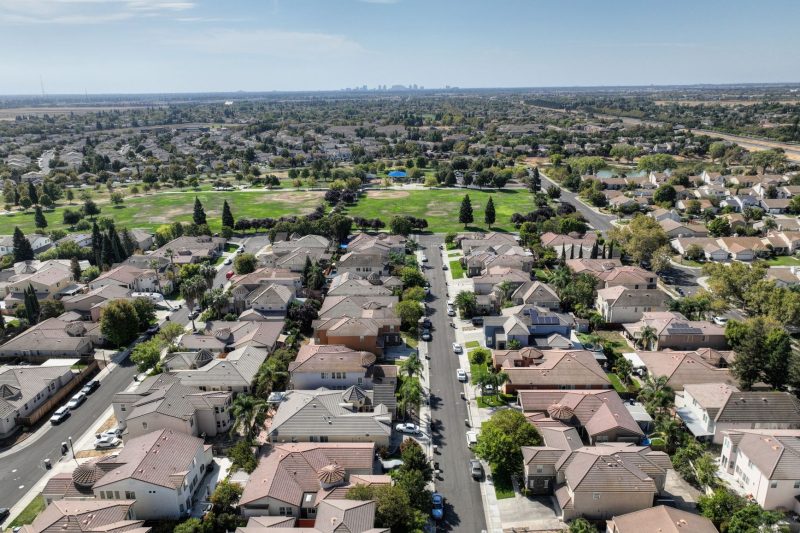
Thinking about renovating your home can be exciting, but figuring out how to pay for…
Renovation Loan Options: How to Finance Fixer-Uppers and Manufactured Homes in Kane County

Finding the right home sometimes means considering properties that need repairs or updates—but figuring out how to finance those renovations can leave buyers scratching their heads. Renovation loans are specialized mortgage solutions that combine the cost to buy (or refinance) a home and the funds for its improvements into a single loan. In this article, we’ll break down your key renovation loan options for fixer-uppers and manufactured homes in Kane County, including eligibility guidelines, steps to qualify, and how these loans compare.
Key Takeaways
- Purpose: Renovation loans help buyers and owners finance both the purchase/refinance of a property and necessary improvements or repairs—often in one loan.
- Eligibility: Qualification is based on credit, income, renovation scope, and property type; different programs work for site-built and manufactured homes.
- Timeline: Renovation loan processes often take longer than standard loans, as project bids and contractor reviews are part of the approval.
- Best For: Buyers interested in fixer-uppers, manufactured home upgrades, or owners remodeling their current property.
Quick Answers: Renovation Loans for Repairs and Upgrades
- Can I buy a fixer-upper with one loan? Yes—certain renovation loan programs combine the purchase and repair costs, so you finance everything together.
- Are manufactured homes eligible for renovation loans? Some programs, like select FHA and conventional renovation options, allow improvements to manufactured homes (subject to eligibility rules).
- How are contractors involved? Most renovation loans require that you use licensed contractors, and project bids must be submitted for approval as part of the loan process.
- Do I need a large down payment? Minimum down payments vary by loan type, but some renovation loans allow as little as 3%-3.5% down for qualified borrowers.
- How long does it take to close a renovation loan? Renovation financing can take several weeks longer than a standard mortgage due to the extra steps for project approval.
Understanding Renovation Loans: Combining Home Purchase and Improvements
Renovation loans are designed to help buyers or current owners tackle properties that need everything from basic repairs to major upgrades. The key advantage is the ability to bundle purchase (or refinance) and construction costs into one mortgage—with a single monthly payment.
At Midwest Specialty Mortgage LLC (NMLS# 2689347), we work with clients across Kane County and the greater Fox River Valley to navigate which renovation loan options best fit their property, project goals, and financial picture.
Renovation Financing Options: Which Program Fits?
There are several major types of renovation loans, each with their own eligibility guidelines and features. Here’s a breakdown of go-to options for homes and manufactured housing in Kane County:
| Program | Eligible Properties | Eligible Projects | Down Payment/Equity | Who It’s For |
|---|---|---|---|---|
| FHA 203(k) | Single-family, multi-unit (up to 4), select manufactured homes | Minor repairs to major renovations, additions, energy efficiency upgrades | As low as 3.5% down (for qualified buyers) | First-time buyers, buyers with modest down payments, manufactured home owners |
| Freddie Mac CHOICERenovationⓇ | Single-family, 2-4 units, condos, manufactured homes | Wide range: structural changes, cosmetic fixes, disaster repairs, accessibility improvements | Often 3% minimum down for primary residences | Buyers, owners, those needing flexible project types or manufactured home updates |
| Fannie Mae HomeStyleⓇ | Primary/secondary, multi-units, manufactured homes (select scenarios) | Broad: luxury items, kitchens, bathrooms, pools, landscaping | Typically 3%-5% down (varies) | Buyers/owners wanting wide project flexibility, including manufactured homes |
| Non-QM Renovation Loans | Flexible—including investment, non-traditional, or alternative income properties | Varies (depends on lender and scenario) | Flexible (varies—often higher down payment or equity required) | Self-employed, DSCR investors, borrowers with unique situations |
Step-by-Step: How Does a Renovation Loan Work?
- Pre-Qualify and Get Project Plan: Speak with your loan advisor to confirm eligibility, including credit, income, and project scope. You’ll need a clear plan and written bids from licensed contractors.
- Choose a Program: Your lender will help determine which renovation loan—FHA 203(k), HomeStyle, CHOICERenovation, or Non-QM—aligns with your goals and property type.
- Appraisal Based on Finished Value: Unlike a standard loan, renovation loans use the “after improved” value—what the home will be worth once work is completed—to determine the amount you can borrow.
- Underwriting and Approval: The loan goes through typical mortgage approval with additional steps to review the construction plan, contractor credentials, and repair bids or plans.
- Closing and Construction: The loan closes, you take possession of the property (or refinance if you already own), and renovation funds are typically paid out in draws as work progresses and gets inspected.
- Move In and Enjoy: Once work is done and the lender signs off, any remaining funds are applied to the loan balance or credited to you, and you continue making payments as with a standard mortgage.
Who’s Eligible? Requirements for Buyers and Owners
While program specifics vary, renovation loan eligibility most commonly depends on:
- Credit Score: Minimum credit standards vary by program and lender.
- Down Payment/Equity: Some renovation loans allow for as little as 3-3.5% down; others (especially Non-QM) often ask for more equity or cash.
- Project Scope and Approval: The work must usually be performed by a licensed contractor, with detailed bids upfront and lender approval before closing.
- Property Type: Certain renovation programs work for manufactured homes—but not all. Always check if your property qualifies.
- Occupancy: Owner-occupied, second homes, and investment properties may be eligible depending on loan type and project scope.
Important: Guidelines, minimums, and property rules change regularly. Consult a qualified mortgage advisor familiar with Kane County, Chicagoland, and the Fox River Valley to check current requirements before making offers or starting renovations.
Common Renovation Projects That Might Qualify
- Roof, windows, HVAC, or major systems updates
- Kitchen or bathroom remodels/upgrades
- Foundational, plumbing, or structural repairs
- Accessibility and aging-in-place improvements
- Energy efficiency enhancements or green updates
- Room additions, garages, decks, or landscaping
Each loan program sets rules about what types of improvements are allowed. For manufactured homes, specific guidelines often restrict the scope to non-structural updates or code-compliant system upgrades. Always review your project plan with your lender early.
Renovation Loans for Manufactured Homes: What to Know
Many buyers and current owners in Kane County and the Northwest Suburbs want to update or expand manufactured homes. Some renovation loans, like FHA 203(k) and Freddie Mac CHOICERenovation, may allow limited repairs and updates on eligible manufactured homes—such as HVAC, roofing, accessibility, or modernization projects.
- Homes must often meet “foundation certification” and minimum square footage rules.
- Cosmetic-only improvements, like paint/flooring, may be limited—focus is often on safety, systems, and compliance repairs.
- Always check if your manufacturer/model and project type are covered under current loan rules.
Tips for Smoother Renovation Loan Approval
- Get contractor bids and project timelines before starting your mortgage application.
- Discuss plans with specialists familiar with manufactured housing or local building requirements.
- Have backup funds for overruns—unexpected costs sometimes arise during renovations.
- Plan for longer closing timelines compared to standard mortgages.
- Stay organized with paperwork, permits, and inspections throughout the process.
How We Can Help in Kane and Surrounding Counties
Whether you’re considering a fixer-upper in Kane, a manufactured home remodel in McHenry, or a renovation in Cook or Kendall County, Midwest Specialty Mortgage LLC (NMLS# 2689347) understands the unique landscape of local property and renovation lending. We’re here to guide first-time buyers, self-employed borrowers, and DSCR investors through every step—from custom loan comparisons to project evaluation and next steps.
Get Started: Your Kane County Renovation Mortgage Consultation
Ready to talk through your scenario or explore which renovation loan fits your fixer-upper or manufactured home? Call, text, or email us for a no-pressure review and pre-approval planning. We’re here to help you compare your options and feel confident about financing repairs, upgrades, and your next move.
Frequently Asked Questions
Can I use a renovation loan for a manufactured home?
Yes, some renovation loan programs like FHA 203(k) and select conventional options permit eligible renovations on manufactured homes. Check specific guidelines, as not all improvements are allowable and property must meet eligibility standards.
Can investors get renovation loans for properties in Kane County?
Some renovation programs, like Non-QM or certain DSCR loans, offer options for investment properties. Standard FHA 203(k) and many conventional renovation loans are focused on owner-occupants—always clarify eligibility up front for your scenario.
What types of projects are allowed with a renovation loan?
Renovation loans can fund a wide range of projects, including repairs, system updates, additions, kitchens, bathrooms, and safety upgrades. Each program sets guidelines about what work is covered—ask your lender about your specific project.
Do I have to use a certain contractor or can I do the work myself?
Most renovation loans require the use of licensed contractors, and DIY/self-help work is generally not permitted. The lender will need official contractor bids and may inspect completion before funds are disbursed.
How is the value of the home determined with a renovation loan?
Renovation loan appraisals are based on the "after improved" value—what the property is expected to be worth when work is finished. This allows you to borrow based on future potential, not just current condition.
This is educational and not financial advice. Loan programs and guidelines can change. Talk with a licensed mortgage professional about your specific scenario.

About the Author
Eusebio Marchosky
Owner Broker at Midwest Specialty Mortgage LLC · NMLS #2596350
I’m Chevy Marchosky, Broker Owner of Motto Mortgage Specialty. I have over 40 years in the financial services industry, I’ve had the privilege of helping shape the way lending works—from the inside out.
Specializes in: FHA, DSCR, Non-QM Loans
Licensed in: IL, IN, IA
Related Posts