Thinking about renovating your home can be exciting, but figuring out how to pay for…
Renovation Loans: How to Turn a Fixer-Upper into Your Dream Home
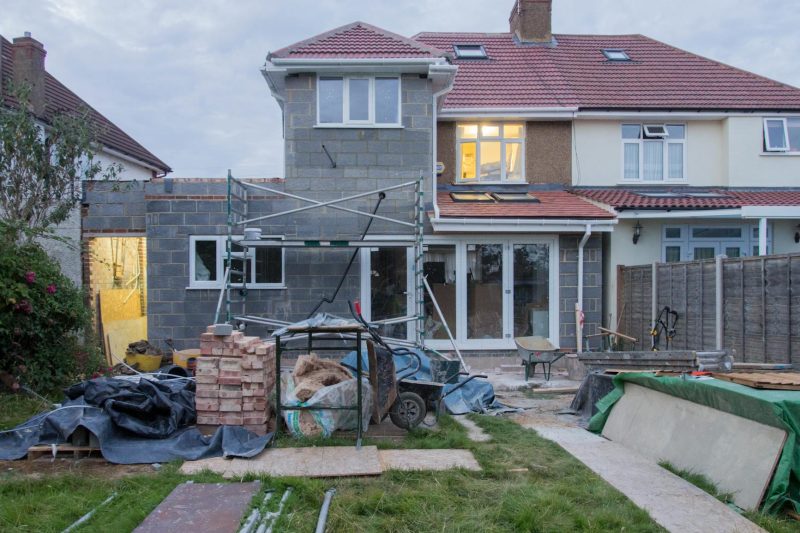
Feeling excited about a home with “good bones,” but unsure how to finance repairs or upgrades?
**A renovation loan is a mortgage that allows you to purchase and rehabilitate (or refinance and improve) a property, combining the costs into one streamlined loan.**
In this guide, we’ll explain how renovation loans work, the steps to qualify, and what to expect when transforming a property in Kane County or nearby Chicagoland communities.
Key Takeaways
- Purpose: Renovation loans let buyers and owners bundle purchase and improvement costs into one mortgage.
- Qualification: Credit, income, and renovation plans are reviewed; contractor bids typically required.
- Timeline: The process can take longer than a standard loan, with project review and construction draw periods.
- Best For: First-time buyers, investors, and homeowners wanting to update a home in need of work.
Quick Answers
- What is a renovation loan? A single mortgage that covers both the purchase (or refinance) and rehab of a home.
- Do I need a contractor? Usually yes—most programs require licensed contractors for the renovation work.
- Can I use a renovation loan for a second home or investment property? Some loan types allow this, but guidelines vary.
- How is the loan amount determined? Based on the “after-repair value” of the home, plus standard loan qualifying factors.
- Are there special renovation loans for manufactured homes? Select lenders may offer renovation options for manufactured or modular homes.
What Is a Renovation Loan?
A renovation loan—a type of mortgage financing—lets you borrow funds to purchase (or refinance) a property and cover the cost of qualified repairs, upgrades, or remodeling. Unlike personal or home equity loans, renovation mortgages are based on the home’s future, fully improved value. This can help buyers afford properties that might not qualify for traditional financing due to condition and enables existing owners to update or overhaul their homes without multiple loans.
The team at Midwest Specialty Mortgage LLC (NMLS# 2689347) specializes in helping Kane County and surrounding area buyers and homeowners navigate these options—whether you’re eyeing a classic fixer-upper in Elgin or a property that just needs updated systems in Aurora.
Popular Types of Renovation Loans
- FHA 203(k): Great for primary residences, allows a range of cosmetic and structural repairs. Two main types: Standard (bigger projects, more oversight) and Limited (smaller repairs/improvements).
- Conventional HomeStyle®: Flexible for primary, second homes, and investment properties; covers broad upgrade choices with fewer FHA restrictions.
- VA Renovation: For eligible veterans on their own homes; includes both purchase and refinance options, with limits on luxury updates.
- Non-QM and DSCR Renovation Options: For investors and self-employed borrowers, some lenders provide unique renovation programs—these can work for properties that may not meet traditional guidelines.
- Manufactured & Modular Home Renovation Loans: Specialized programs, but fewer lenders support these—ask us about your scenario.
Renovation Loans Comparison Table
| Loan Type | Who It’s For | Eligible Properties | Project Types |
|---|---|---|---|
| FHA 203(k) | Primary residence buyers/owners | 1-4 unit homes | Cosmetic and structural, capped by guidelines |
| Conventional HomeStyle® | Primary, second home, investors | Most 1-4 unit properties | Broad scope, includes luxury upgrades |
| VA Renovation | Eligible veterans & service members | Owner-occupied homes | Non-luxury essential repairs/upgrades |
| Non-QM / DSCR | Self-employed, investors, “out-of-box” | Flexibly underwritten, including rentals | Varies by lender, check scenario |
How Does a Renovation Loan Work?
- Home Search/Selection: Identify a property that needs repairs or upgrades—may be a great-value listing in the Fox River Valley or Northwest Suburbs of Chicago.
- Contractor & Project Planning: Get detailed bids from licensed contractors outlining the renovation scope. Some programs allow “DIY” for minor updates; most require professionals.
- Loan Application & Approval: Apply for your renovation mortgage. The lender reviews your finances and renovation plans to ensure they meet program guidelines.
- Appraisal: Appraiser assesses the “after-improved value”—what the home is worth once the repairs are complete.
- Closing: Loan closes for the purchase/refinance plus renovation funds, typically held in escrow and disbursed as work is completed.
- Renovation Period: Construction begins. Funds are released in “draws” after verification of progress and inspections, until the project is finished and signed off.
Key Eligibility & Documentation
- Credit and Income: Lenders review credit scores, income sources, and debt-to-income ratio—requirements differ by loan program.
- Down Payment: Typically based on purchase price plus renovation cost. FHA: as low as 3.5% down. Conventional: generally starts at 3%–5% (for qualifying buyers).
- Property: Must meet eligibility rules (primary, second home, or investment property, depending on program).
- Renovation Plans: Detailed contractor bids, itemized costs, and (sometimes) architectural or inspection reports.
- Loan Limits: Conforming loan limits change by county—ask us about current guidelines for Kane, DuPage, and surrounding counties.
Tip: The more organized and detailed your renovation bid, the smoother your loan process—this documentation is crucial for loan approval and timely funding.
What Projects Are Eligible?
Renovation loans are designed for a wide range of projects, but each program sets its own rules. Commonly eligible improvements include:
- Roof repairs or replacement
- Kitchen and bath remodeling
- Plumbing and electrical upgrades
- HVAC, energy efficiency, or system modernization
- Flooring, paint, siding, windows, doors
- Adding or modifying bedrooms/bathrooms (within program and code limits)
- Major structural repairs (foundation, framing—program dependent)
- Accessibility improvements or code-required updates
Luxury upgrades (such as pools, outdoor kitchens, etc.) are allowed on some conventional loans but restricted on FHA/VA. Be sure to review current guidelines for what’s permitted.
Pros and Cons of Renovation Loans
- Advantages:
- Bundled financing—one loan, one payment, one closing
- Lower down payment options than some alternatives
- Can make non-financeable homes eligible for purchase
- Helps customize and improve property to your specifications
- Challenges:
- Loan process is more complex than a standard mortgage
- Requires detailed contractor bids and oversight
- Draw process and inspections can slow down construction payouts
- Some renovation types or property situations may not be eligible
Is a Renovation Loan Right for You?
Renovation loans are a great tool for:
- First-time homebuyers ready to buy a starter home and make it truly theirs
- Self-employed borrowers and investors looking to rehab investment property (such as with DSCR or Non-QM programs)
- Homeowners wanting to refinance and upgrade their existing residence
They may not be the best fit if:
- Your desired project exceeds program or local loan limits
- You want to do all the improvements yourself (most programs require licensed contractors for work above “handyman” level)
- You need the shortest possible closing time—renovation loans usually take longer than typical purchases
Renovation Loans in Kane County & Surrounding Areas
In the dynamic Fox River Valley and across surrounding Chicagoland suburbs (including McHenry, Kendall, Will, Cook, Lake, DuPage, Dekalb, and Grundy counties), renovation loans can be a smart way to build equity while creating a home that fits your lifestyle.
We’ve helped local families get into promising properties in South Elgin, revive older homes in Aurora, and invest in multi-unit opportunities throughout the region—often with far less upfront cash than traditional rehab approaches.
Next Steps: Planning Your Renovation Loan
- Start with a clear renovation wish list and rough budget
- Consult reputable local contractors for itemized bids
- Connect with a mortgage professional who understands both the loan and construction side
- Get pre-approved before making offers—some listings sell fast, even if they need work
Ready to explore your options or have a scenario in mind? Call, text, or email us at Midwest Specialty Mortgage LLC. We’ll help you map out renovation financing for your goals, compare loan programs, and get you pre-approved for the right solution—so you can turn that fixer-upper into your dream home.
Frequently Asked Questions
How long does a renovation loan process take?
Renovation loans usually take longer than traditional mortgages. The timeline can range from several weeks to a few months, depending on contractor availability, appraisal timing, and complexity of your renovation plans.
Can I do the work myself instead of hiring a contractor?
Most renovation loan programs require licensed contractors for all but the smallest repairs. In some cases, minor DIY projects may be permitted, but major work must be completed by professionals to ensure quality and loan compliance.
What happens if renovation costs go over budget after closing?
Borrowers are responsible for any cost overruns. It’s important to have a detailed bid and reasonable contingency included in your loan amount, since lenders can't increase your loan after closing for unexpected expenses.
Are there renovation loans for manufactured or modular homes?
Some specialized renovation loan programs exist for manufactured or modular homes, though options can be limited. Always check current guidelines and discuss your property type with a lender experienced in these loans.
Can investors use renovation loans for properties they do not occupy?
Yes, certain programs—mainly conventional or DSCR/non-QM options—allow investors to finance renovations on non-owner-occupied properties. However, eligibility, documentation, and terms will vary by loan type and lender.
This is educational and not financial advice. Loan programs and guidelines can change. Talk with a licensed mortgage professional about your specific scenario.

About the Author
Eusebio Marchosky
Owner Broker at Midwest Specialty Mortgage LLC · NMLS #2596350
I’m Chevy Marchosky, Broker Owner of Motto Mortgage Specialty. I have over 40 years in the financial services industry, I’ve had the privilege of helping shape the way lending works—from the inside out.
Specializes in: FHA, DSCR, Non-QM Loans
Licensed in: IL, IN, IA
Related Posts