Finding a home with the right location or layout can be exciting, but paying for…
Financing Renovations: How We Help Turn Your Kane County Home Vision Into Reality
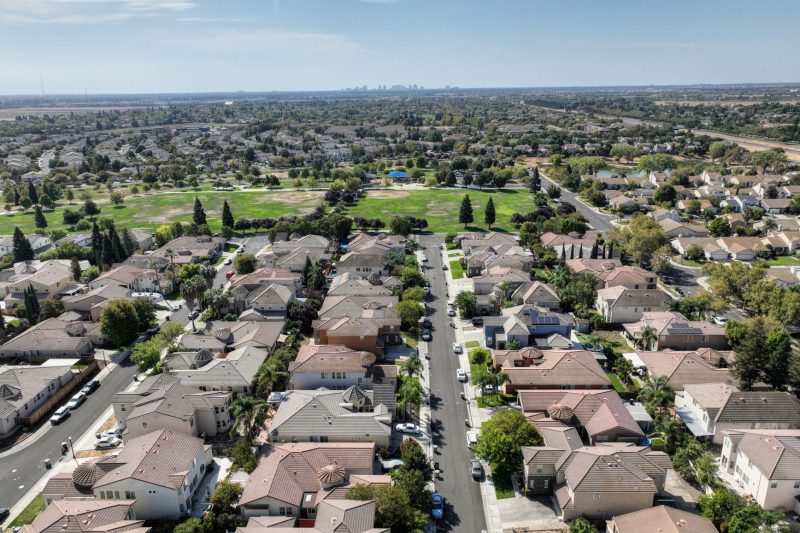
Thinking about renovating your home can be exciting, but figuring out how to pay for it can feel uncertain. **Financing options for home renovations typically include specialized renovation loans that bundle purchase or refinance costs with funds for repairs, making upgrades affordable and manageable.** In this article, we’ll cover how renovation loans work, eligibility requirements, and what the process looks like for homeowners and buyers across Kane County and the greater Chicagoland area.
Key Takeaways
- Purpose: Renovation loans allow you to finance both the cost of the home and needed upgrades in a single loan.
- Requirements: Eligible properties, contractor bids, and appraisals based on the future improved value are typically needed.
- Timeline: The process generally takes a few extra weeks for planning, approvals, and documentation compared to standard mortgages.
- Best For: Homebuyers wanting to buy-and-renovate in one step, or homeowners refinancing to fund improvements.
Quick Answers: Renovation Loan Basics
- What is a renovation loan? A mortgage that rolls purchase or refinance costs together with renovation funds, so you only have one loan and closing.
- Who can qualify? Most buyers and current owners with sufficient credit, income, and plans for eligible improvements can qualify.
- How are funds released? Funds for renovations are usually placed in escrow and paid out to contractors as work is completed.
- Which properties are eligible? Most primary homes, some second homes, and certain investment properties, depending on loan type and guidelines.
- Are renovation loans available in Kane County? Yes, renovation financing is commonly used throughout Kane County and neighboring areas.
What Is a Renovation Loan?
A renovation loan is a mortgage that provides funds to repair, update, or add onto a property as part of a home purchase or refinance.
Instead of paying for improvements out-of-pocket or with separate loans, borrowers can wrap the costs of renovations into their primary mortgage. This can make it easier to buy “fixer-upper” homes or to update your existing home without a second monthly payment.
Renovation loans popular in Kane County, including FHA 203(k) and Conventional HomeStyle, are designed to work for a variety of scenarios—whether you’re buying a home that needs updates, taking care of repairs required by an inspection, or finally tackling that kitchen remodel in your current residence. The team at Midwest Specialty Mortgage LLC (NMLS# 2689347) specializes in guiding borrowers through these programs, making the process smoother from pre-approval through final inspection.
How Do Renovation Loans Work?
- Step 1: Application and Pre-Approval
You’ll work with a lender to review your finances and determine your eligibility. It’s helpful to know the scope of renovations you plan to do, since cost estimates and contractor bids will be needed early. - Step 2: Selecting Contractors & Gathering Bids
You’ll submit detailed contractor bids and plans with your loan application. This helps the lender and appraiser estimate the property’s “after-improved” value. - Step 3: Appraisal and Underwriting
The home is appraised as if the planned work is completed. Underwriting reviews your finances and the renovation project for approval. - Step 4: Closing the Loan
The mortgage closes just like a standard loan, but extra funds for renovations are placed in escrow. - Step 5: Renovation Phase
After closing, work begins. Contractors are paid through escrow as work is verified. You follow a draw schedule until all work is complete.
Main Renovation Loan Options
| Loan Type | Best For | Key Requirements |
|---|---|---|
| FHA 203(k) | Buyers/owners needing low down payments or flexible credit for major or minor repairs | Primary residences only; government guidelines; licensed contractors; minimum project cost usually required |
| Conventional HomeStyle | Buyers/owners seeking flexible renovation projects, including luxury or “wish list” upgrades | Primary, secondary, some investment properties; standard Fannie Mae credit & income; wider project options |
| Non-QM or DSCR Loans | Borrowers who are self-employed, have non-traditional income, or are investors | Flexible documentation, but may have higher costs or require more equity |
Who Typically Uses Renovation Loans?
Renovation loans are especially useful throughout Kane, McHenry, DuPage, Kendall, and the broader Fox River Valley for:
- Homebuyers who want to purchase and renovate in one step
- Current homeowners looking to refinance and fund major upgrades
- Self-employed borrowers or those with non-W2 income who need flexible qualification options
- Investor or DSCR buyers targeting value-add opportunities
These loans are not just for large-scale gut rehabs; they can also cover new roofs, kitchens, bathrooms, accessibility improvements, and even structural repairs.
What Homes and Projects Can Be Financed?
Most properties in Kane County and nearby areas are eligible—single family homes, townhomes, some multi-units, and even manufactured homes (depending on program and condition). The renovation must add value or habitable improvements. Typical eligible projects include:
- Kitchens, bathrooms, flooring, roofing, paint
- Energy efficiency or accessibility updates
- Additions, garages, decks, structural repairs
- Major system upgrades (HVAC, electrical, plumbing)
Cosmetic-only updates (like appliances alone) may be limited. The lender and appraiser must confirm that the finished home meets safety, code, and long-term habitability standards.
Key Steps in the Process: Pre-Approval to Completion
- Consultation and Pre-Approval: Review your financial situation, renovation plans, and timeline.
- Estimate Scope & Gather Bids: Work with contractors to define project costs and details.
- Property Appraisal: An appraiser values your home or potential purchase as if all upgrades are complete.
- Submit All Documents: The lender reviews income, credit, contractor info, and project plans.
- Close on the Mortgage: Funds for improvements are held in escrow until work is verified.
- Renovations Begin: Contractors are paid as construction milestones are completed and inspected.
- Completion & Final Inspection: Lender confirms work was done as agreed and project is closed out.
Renovation Loan vs. Home Equity Loan or HELOC
| Renovation Loan | Home Equity Loan/HELOC |
|---|---|
| Funds rolled into one new mortgage; based on improved value | Separate loan secured by the equity you already have |
| Can be used for purchase or refinance and improvements | Typically only for owners with significant existing equity |
| Often lower interest rates and single payment structure | Variable rates; extra monthly payment |
| Requires more planning, documentation, and lender oversight | Faster approval; limited to equity available |
What to Expect in Terms of Timeline and Costs
Renovation loans do require coordinated planning, and the process can take longer than a standard purchase or refinance due to bid reviews, appraisals, and project vetting. Buyers and owners in Kane County typically see closings within several weeks to a couple of months, depending on scope.
Expect some added fees compared to traditional loans—such as project review, draw administration, and possibly higher appraisal costs. Lenders also collect contingency funds (for unexpected repairs) to ensure your loan is completed smoothly.
Rates for renovation loans are often similar to market rates for comparable mortgages, but final terms vary based on credit, property type, project scope, down payment, and which program you select.
How We Can Help With Your Kane County Renovation Plans
At Midwest Specialty Mortgage LLC, we’re experienced in walking buyers, owners, and investors through every type of renovation and construction financing—whether for FHA, Fannie Mae HomeStyle, Non-QM, or DSCR loans. We’ll help:
- Review which renovation loan options you qualify for
- Connect you with local contractors familiar with loan requirements in the Fox River Valley and Northwest Suburbs
- Guide you in preparing bids and gathering paperwork (so your project is approved faster)
- Coordinate with appraisers, real estate agents, and title to streamline your closing
- Keep you informed about timelines, next steps, and draw process after closing
We look at each borrower’s scenario—whether you’re a first-time homebuyer, self-employed, or looking to renovate an investment property—to help you build your best path forward.
Ready to Talk About Your Renovation Ideas?
If you’re planning a purchase, refinance, or major improvement anywhere in Kane, DuPage, Lake, Will, McHenry, or the greater Chicagoland area, let’s discuss your options. Call, text, or email us for a personalized review of your scenario, side-by-side comparisons of loan programs, and clear guidance on steps to pre-approval and project planning.
Frequently Asked Questions
Can I use a renovation loan for investment properties?
Some renovation loans, such as certain Conventional and Non-QM/DSCR programs, allow for investment properties or second homes. Eligibility and terms may vary, so it's important to review options for your specific scenario.
How does the contractor selection process work?
Borrowers typically must choose licensed and insured contractors acceptable to the lender. Detailed bids, project scopes, and licenses are submitted early for review and approval before work begins.
Can I do the renovation work myself?
Most renovation loan programs require work to be completed by qualified contractors, not by the homeowner, especially for major repairs. Limited exceptions may apply for minor projects but always check program guidelines.
Are manufactured or modular homes eligible?
Many renovation loans allow for manufactured or modular homes, provided the home meets minimum standards and work is done to code. It's important to confirm eligibility and loan program requirements early.
What if renovation costs run over the original estimate?
Most programs require a contingency reserve to cover unexpected costs or overruns. If costs exceed this reserve, the borrower may need to pay the difference out of pocket.
This is educational and not financial advice. Loan programs and guidelines can change. Talk with a licensed mortgage professional about your specific scenario.

About the Author
Eusebio Marchosky
Owner Broker at Midwest Specialty Mortgage LLC · NMLS #2596350
I’m Chevy Marchosky, Broker Owner of Midwest Specialty Mortgage. I have over 40 years in the financial services industry, I’ve had the privilege of helping shape the way lending works—from the inside out.
Specializes in: Conventional, Non-QM Loans, DSCR/SBCRE Loans
Licensed in: IL, IN, IA
Related Posts