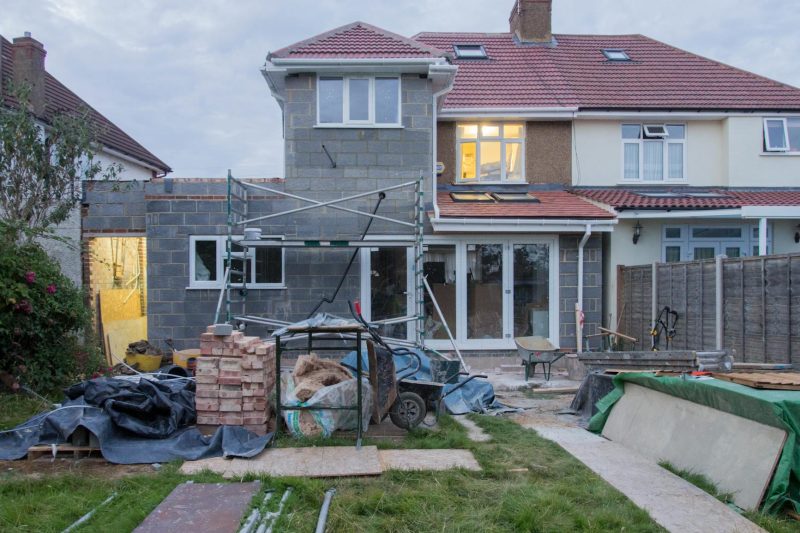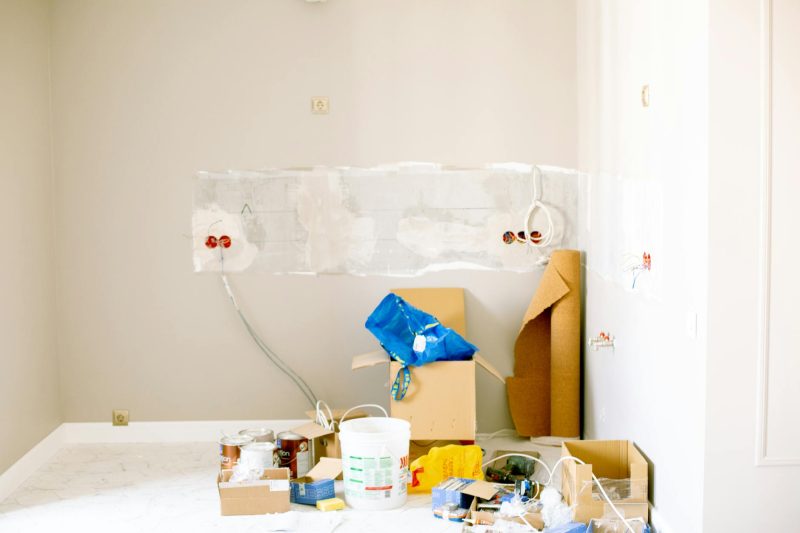
Taking on a home renovation project can be exciting, but sorting out the right way…
Renovation Loans: How to Turn a Fixer Upper Into Your Dream Home in Kane County
Finding a home with great potential can be exciting, but the process of financing renovations often feels confusing for many buyers. A renovation loan allows you to finance both the purchase (or refinance) of a property and the cost of eligible repairs or upgrades in a single mortgage. In this article, we’ll explain how renovation loans work, outline who can benefit from them in Kane County and surrounding areas, and share what to expect at every step.
Key Takeaways
- Purpose: Renovation loans help finance both the home purchase (or refinance) and needed improvements with one loan.
- Eligibility: Available for primary residences, some second homes, and investment properties depending on loan type; credit and financial standards apply.
- Process: The loan closes before renovations begin, funds are set aside in escrow, and contractors are paid as work is completed.
- Best For: Homebuyers wanting to customize a property, buyers considering fixer-uppers, and owners seeking major upgrades or repairs.
Quick Answers: Renovation Loan Basics
- Can I finance repairs and the purchase price together? Yes—renovation loans combine both in a single mortgage.
- What types of projects qualify? Projects can include kitchens, baths, roofs, floors, accessibility upgrades, and more—guidelines vary by loan.
- Do I need to use a specific contractor? Most programs require a licensed and insured contractor and approve bids before funding.
- Are there special requirements for fixer-uppers? The home must meet minimum standards after renovation is complete; some programs have additional requirements.
What Is a Renovation Loan?
A renovation loan is a type of mortgage that covers both the cost of a home (if purchasing or refinancing) and the necessary or desired repairs or updates to make it move-in ready. At Midwest Specialty Mortgage LLC (NMLS# 2689347), we specialize in helping buyers and homeowners across Kane County and neighboring areas—from Elgin to Geneva to Aurora—navigate these programs with confidence.
Unlike traditional mortgages, where repairs or upgrades must usually be paid in cash upfront, renovation loans allow you to roll these costs into your loan. The lender sets aside funds for renovations in a special escrow account after closing. Contractors are paid as work is completed and inspected.
This option helps more people compete for homes that need some TLC, and is commonly used for:
- First-time homebuyers wanting to personalize their new home
- Owners interested in adding value or making overdue repairs
- Investors or self-employed buyers working with unique properties
Common Types of Renovation Loans
There are several renovation loan options, each with distinct features and qualifying criteria. Here’s a breakdown of the most common programs we see in Kane, McHenry, Kendall, and surrounding counties:
| Loan Type | Eligible Properties | Typical Borrowers | Notable Features |
|---|---|---|---|
| FHA 203(k) | Primary residences (1-4 units), some condos | First-time buyers, buyers with limited down payment funds | Low minimum down payment, flexible credit, covers wide range of repairs |
| Conventional Homestyle | Primary, second homes, and some investment properties | Borrowers with higher credit and income | Covers luxury upgrades, flexible repair options |
| Non-QM / DSCR | Investment properties, select primary homes | Self-employed, investors, or unique income scenarios | Flexible documentation, expanded eligibility |
How Does the Renovation Loan Process Work?
While details vary by loan type, most renovation mortgages follow these general steps:
- Application & Pre-Approval: We review your credit, income, and debts to determine initial eligibility. You’ll share your renovation goals and budget.
- Find a Property/Scope Work: You select a home in Kane County or surrounding areas (or consider a refinance), and outline needed repairs with a contractor.
- Contractor Bids: Licensed contractors submit bids detailing costs and timelines. The lender reviews and approves bids to ensure they comply with program guidelines.
- Appraisal: The home is appraised based on the “as-completed” value—what it should be worth after the planned improvements.
- Loan Approval & Closing: If all documentation is accepted, the loan closes. Funds for renovation are put in an escrow account, separate from the initial property purchase.
- Renovation Period: Work begins after closing. Contractors are paid through escrow only as verified progress is made, with inspections at each step.
- Completion & Move-In: Once all work is done, a final inspection confirms everything is up to code and guidelines. Any unused renovation money typically reduces your loan balance.
Who Qualifies for a Renovation Loan?
Eligibility basics are similar to other types of mortgages, but some renovation programs allow for more flexible guidelines, especially with FHA or Non-QM loans. Buyers and owners should expect:
- Credit Requirements: Minimum credit scores vary by loan program and lender, often starting around the low-to-mid 600s for FHA loans and higher for conventional/Non-QM.
- Income & Debt: Standard income, debt-to-income, and asset documentation applies. Non-QM or DSCR products may use alternative qualification methods.
- Down Payment: Typically as low as 3.5% for FHA 203(k), 3% for some Homestyle options. Non-QM and investment loans may require more.
- Property Standards: Home must meet minimum safety and livability standards after renovation is complete.
Every scenario is unique. Whether you’re in Aurora, Batavia, St. Charles, or the greater Chicagoland area, we help borrowers—especially first timers, self-employed buyers, and local investors—match the right program to their finances and property goals.
What Types of Renovations Qualify?
Renovation loans cover a wide range of repairs and upgrades. Depending on the program, allowable repairs may include:
- Kitchens and baths (remodels or complete replacements)
- Roof, window, and siding replacement
- Foundation, plumbing, or electrical repairs
- Flooring, paint, and fixtures
- Accessibility and energy efficiency upgrades
- Room additions, decks, or converting spaces
Luxury items (like pools) may not be eligible under every loan program—always check program guidelines in advance. For investors using DSCR or Non-QM options, the scope of allowed work may be broader, but documentation rules can vary.
Benefits and Considerations
Renovation loans offer several advantages for buyers and owners in Kane County and the Northwest Suburbs:
- Combine repairs and purchase/refinance into one loan, one payment
- Build equity faster by adding value through upgrades
- Compete for more homes, including those in need of TLC
- Possible lower rates than second mortgages or credit cards
However, there are special factors to keep in mind:
- Extra steps (contractor selection, bid approval, inspections) vs. traditional mortgages
- Loan closes before work begins—careful planning and timing are critical
- Contractors must meet program standards (licensed, insured, no “self-work” for most)
- Costs, guidelines, and timeframes vary—always confirm with your lender
Serving Kane County and Beyond
We support borrowers throughout Kane County—including Elgin, South Elgin, Geneva, Aurora, Batavia, and surrounding communities—as well as McHenry, Kendall, Will, Cook, Lake, DuPage, Dekalb, and Grundy Counties. Whether you’re eyeing a Fox River Valley fixer-upper or a project elsewhere in the Chicagoland area, our renovation loan menu includes FHA 203(k), Homestyle, Non-QM, and investor-focused options so you can shape your next property to fit your vision.
Get Started: Planning Your Renovation Loan in Kane County
If you’re considering buying a home that needs work, or want to transform your current property, we can help guide you step-by-step. Call, text, or email us to review your scenario, compare renovation loan options, and outline your next steps—including pre-approval planning so you’re ready to move fast in today’s market.
Frequently Asked Questions
How long does a renovation loan process typically take?
The full process often takes longer than a standard mortgage—generally 45 to 60 days from application to closing. The renovation phase itself varies depending on project size and contractor availability, but most programs require work to be completed within 6 to 12 months after closing.
Can I use a renovation loan for investment properties?
Certain renovation loan programs (like Conventional Homestyle or some Non-QM/DSCR loans) may allow financing for investment property renovations. FHA 203(k) is limited to owner-occupied properties. Guidelines and down payment requirements can differ by program—ask for details based on your investing goals.
Do I need to move out while the renovations are being completed?
Depending on the scope of work, you may be required to move out during major renovations, but for smaller projects you might be able to stay in the home. Check with your lender and contractor ahead of time to clarify occupancy rules and plan for any temporary living arrangements if needed.
Can I do my own repairs or must I hire a licensed contractor?
Most renovation loan programs require you to use a licensed and insured contractor for the work, not self-perform the repairs. This policy ensures compliance and proper documentation for loan disbursements. There are rare exceptions, but most buyers need to hire professionals.
What happens if project costs are higher or lower than expected?
If your project comes in under budget, unused escrow funds are generally applied to reduce your loan balance. If costs exceed the approved amount, you’ll typically need to cover the difference out of pocket or seek lender approval for changes. Careful planning with contractor bids is key at the start.
This is educational and not financial advice. Loan programs and guidelines can change. Talk with a licensed mortgage professional about your specific scenario.

About the Author
Eusebio Marchosky
Owner Broker at Midwest Specialty Mortgage LLC · NMLS #2596350
I’m Chevy Marchosky, Broker Owner of Motto Mortgage Specialty. I have over 40 years in the financial services industry, I’ve had the privilege of helping shape the way lending works—from the inside out.
Specializes in: FHA, DSCR, Non-QM Loans
Licensed in: IL, IN, IA
Related Posts