Buying a manufactured home with land can be appealing, but questions about the title, foundation,…
Manufactured Homes: Key Steps for Purchasing with FHA or Conventional Loans
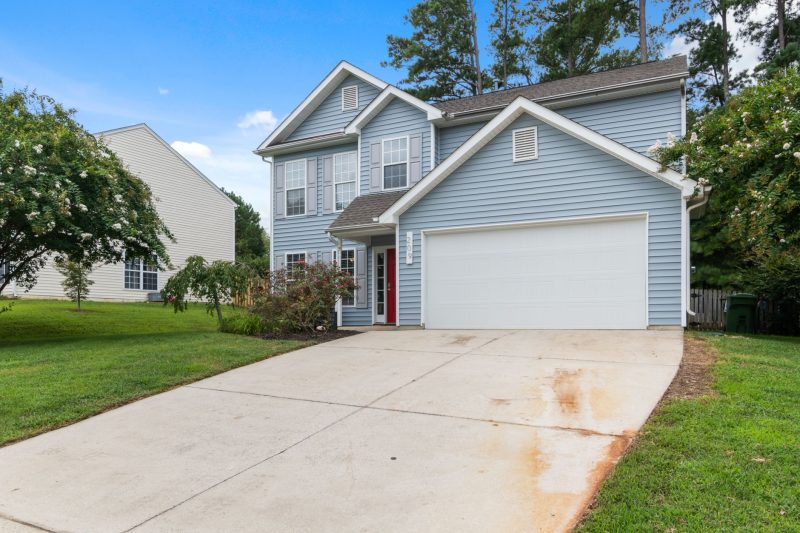
Looking to purchase a manufactured home but feeling unsure about the loan process or eligibility? Manufactured homes can be financed with both FHA and conventional loans, if the property and the borrower meet specific requirements set by each program. In this guide, we’ll break down the steps, requirements, and what borrowers in Kane County and the surrounding Chicagoland area need to know to successfully finance a manufactured home.
Key Takeaways
- Purpose: Manufactured home loans allow borrowers to finance the purchase of a home built in a factory and installed on a permanent foundation.
- Loan Eligibility: Both FHA and conventional loans require that the home meets strict property standards and is considered real property.
- Process Timeline: Buying/manufactured home financing usually takes a few weeks to several months, depending on property status and documentation.
- Best For: Borrowers seeking affordable housing solutions, including first-time buyers, self-employed borrowers, and investors in the Fox River Valley.
Quick Answers: Manufactured Home Loans
- Do FHA or conventional loans allow single- and double-wide manufactured homes? Yes, both options may finance single and double-wide homes if the home meets foundation, size, and HUD code requirements.
- Can you finance used manufactured homes? Typically yes, as long as the home was built after June 15, 1976, is permanently affixed, and passes appraisal and title checks.
- Is a down payment required? FHA loans often require 3.5% down for qualifying buyers; conventional loans may allow as little as 3% down but have stricter eligibility.
- Do manufactured homes qualify for first-time buyer programs? Many first-time buyer programs and grants do include eligible manufactured homes.
What is a Manufactured Home?
A manufactured home is a single-family dwelling built in a factory under federal HUD standards, then transported to a site and installed on a permanent foundation. Unlike mobile homes (constructed before June 15, 1976) or modular homes (built to local building codes), manufactured homes must display a HUD certification label and meet specific federal building regulations.
How FHA and Conventional Loans Work for Manufactured Homes
Financing a manufactured home requires both the home and site to meet strict lender criteria. The team at Midwest Specialty Mortgage LLC (NMLS# 2689347) specializes in guiding borrowers through these unique requirements in Kane County and throughout the greater Chicagoland region.
Here’s a quick breakdown of how each loan type addresses manufactured homes:
| Loan Type | Eligible Homes | Down Payment | Key Rules |
|---|---|---|---|
| FHA | Single-wide & double-wide; must be built after 1976, HUD-certified, and permanently affixed | As low as 3.5% (if qualified) | Primary residence only, strict property and appraisal standards, up to county loan limits |
| Conventional | Eligible single-wide (per FNMA/Freddie guidelines) & double-wide on permanent foundation | Often 5% minimum, sometimes 3% for first-time buyers | Can be used for primary, second home, or certain investment purposes (per program); stricter credit & property requirements |
Always check current FHA and conventional guidelines before planning your purchase, as standards can change and may be interpreted differently by various lenders.
Step-by-Step Guide: Purchasing a Manufactured Home
- Confirm Property Eligibility
- The home must be classified as ‘real property’ (not personal property/chattel).
- HUD-compliant (built after June 15, 1976) with HUD tag present.
- Permanently affixed to a foundation meeting HUD or local requirements.
- Home must not have been previously moved from another site unless it meets relocation standards.
- Choose the Right Loan Program
- FHA loan: Flexible on credit, popular with first-time homebuyers and those with modest down payments.
- Conventional loan: Conventional loans often require higher credit scores, lower debt-to-income ratios, and larger down payments—though some programs allow as little as 3% for qualified first-time buyers.
- Gather Required Documentation
- Proof of income (pay stubs, tax returns, bank statements for self-employed borrowers)
- Identification and social security or ITIN (if eligible for financing)
- Title and proof of HUD compliance for the home
- Site survey, foundation certification, and recent appraisal
- Apply for Pre-Approval
- Begin with a lender familiar with manufactured housing (like Midwest Specialty Mortgage) to explore your options and strengthen your offer.
- Pre-approval can clarify your maximum budget and highlight potential obstacles early.
- Make an Offer and Start Underwriting
- With pre-approval, your real estate agent can help you structure an offer based on the loan type and property specs.
- Once the offer is accepted, underwriting will verify documentation and order property inspections and appraisals as needed.
- Close the Loan and Take Ownership
- After final approval, closing occurs—usually within 30-60 days from contract for standard transactions.
- Be prepared for detailed review of title, property insurance, and foundation engineering (especially with FHA).
Essential Requirements for FHA and Conventional Manufactured Home Loans
- Property Condition: The home must be in suitable condition, free from significant safety issues or non-permitted additions.
- Permanent Foundation: Must meet HUD/FHA or Fannie Mae/Freddie Mac standards. Certification from a licensed engineer may be required.
- Title/Real Property Classification: The home and land must be titled together as real estate (not as personal property or “chattel”).
- Built After 1976: Homes built before June 15, 1976 do not qualify for FHA or conventional financing.
- HUD Label: Homes must have the original HUD Data Plate and Certification Label.
If you are self-employed or looking at DSCR loan program options for investment properties, these requirements may vary and additional documentation may be necessary.
FHA vs. Conventional: Which Is Right for You?
Here are some factors to consider when comparing FHA and conventional options for manufactured homes:
- Credit Requirements: FHA loans are generally more flexible on credit score and past credit events; conventional loans require stronger credit history.
- Down Payment: FHA can go as low as 3.5% down for qualified applicants, while conventional often requires at least 5%, or 3% for very well-qualified first-time buyers.
- Mortgage Insurance: FHA requires upfront and monthly mortgage insurance premiums. Conventional loans may require private mortgage insurance (PMI) but can be canceled once certain equity is reached.
- Occupancy: FHA only for primary residences; conventional loans may allow for second homes and investment properties based on the specific guideline.
- Loan Limits: Both FHA and conventional loans have limits that are set by county and are updated annually. Manufactured home loans may have different maximums—always verify the current limit for Kane County or your area.
Key Tips for a Smooth Manufactured Home Purchase
- Work with a lender familiar with manufactured home guidelines and local property standards in the Fox River Valley and surrounding counties.
- Order a foundation inspection early—many delays are due to missing or incorrect certifications.
- Ask sellers to provide all HUD documentation upfront to avoid surprises.
- If you’re self-employed or using non-traditional income, be ready to provide additional paperwork; review options like our bank statement program if conventional documentation is challenging.
- Consult local title experts to ensure the property is correctly classified as real property with no legal or title issues.
What to Expect in Kane, McHenry, and Surrounding Counties
Kane County, along with McHenry, Kendall, Will, Cook, Lake, DuPage, Dekalb, and Grundy counties, features a range of housing opportunities—many with manufactured homes providing attainable options. Local zoning and title requirements can vary: some counties may have stricter rules on home age, installation, or land ownership. Always connect with a knowledgeable lender up front to address any area-specific challenges.
Ready to Take the Next Step?
Purchasing a manufactured home with FHA or conventional financing doesn’t have to be complicated. If you’re exploring options in Kane County or anywhere across Chicagoland and the Fox River Valley, we’re happy to help you review your scenario, gather documentation, and compare loan choices clearly. Call, text, or email us at Midwest Specialty Mortgage to schedule your personal review and begin pre-approval planning—your path to manufactured homeownership starts here.
Frequently Asked Questions
Does the land need to be owned for FHA or conventional manufactured home financing?
Yes, most FHA and conventional programs require you to own the land on which the manufactured home is permanently affixed. Leasing the land is possible in rare cases but typically calls for special approval and stricter program guidelines.
Are mobile homes (built before 1976) ever eligible for FHA or conventional financing?
No, mobile homes constructed before June 15, 1976 do not qualify for FHA or conventional loans. Only manufactured homes built to HUD standards after this date can be considered for these programs.
What documents are needed for a manufactured home appraisal?
Lenders will request proof of HUD certification (Data Plate & label), a foundation inspection report (from a licensed engineer), and clear title history for both the home and land. The appraiser evaluates home condition, comparable sales, and affixation status.
How long does it take to close a manufactured home loan?
Closing timelines vary, but a typical manufactured home purchase with financing can take 30-60 days from contract. Additional time may be needed if foundation certifications or title clarifications are required.
Can manufactured homes be refinanced with FHA or conventional loans later?
Yes, eligible manufactured homes may be refinanced using FHA or conventional options, provided ongoing compliance with property requirements, foundation certification, and appraisal standards.
This is educational and not financial advice. Loan programs and guidelines can change. Talk with a licensed mortgage professional about your specific scenario.

About the Author
Eusebio Marchosky
Owner Broker at Midwest Specialty Mortgage LLC · NMLS #2596350
I’m Chevy Marchosky, Broker Owner of Midwest Specialty Mortgage. I have over 40 years in the financial services industry, I’ve had the privilege of helping shape the way lending works—from the inside out.
Specializes in: Conventional, Non-QM Loans, DSCR/SBCRE Loans
Licensed in: IL, IN, IA
Related Posts