Running your own business comes with enough challenges, and getting approved for a home loan…
Manufactured Home Loans: Top Mortgage Tips for Buying in Northern Illinois
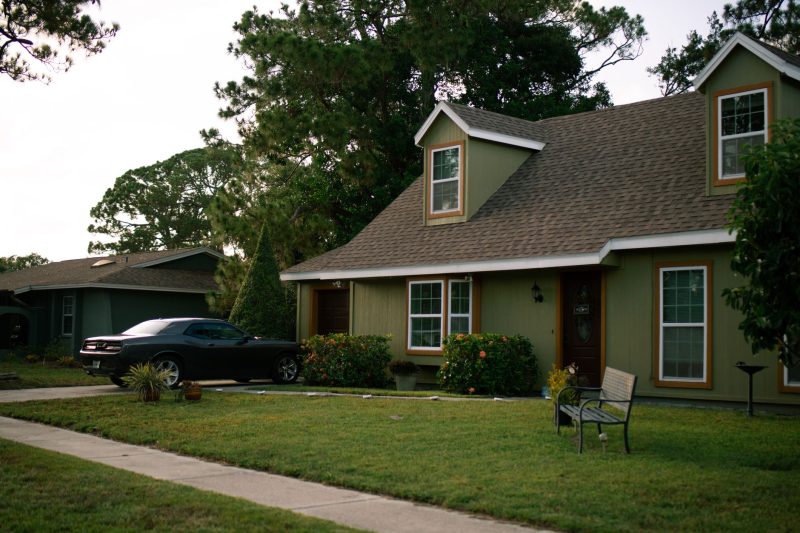
Buying a manufactured home offers an affordable path to homeownership, but navigating the mortgage process can feel confusing if you’re not sure where to start. A manufactured home loan is a type of financing specifically designed to help buyers purchase factory-built homes that meet HUD standards and are permanently installed on land. In this article, we’ll cover practical tips for qualifying, the typical steps, and common questions about financing a manufactured home in Kane County and throughout Northern Illinois.
Key Takeaways
- Loan Purpose: Manufactured home loans finance the purchase of homes built in a factory and installed on a permanent foundation.
- Basic Requirements: Eligible properties must meet HUD standards, be permanently affixed, and the applicant must meet income and credit requirements.
- Loan Timeline: The financing process for manufactured homes often takes 30-45 days, similar to other home loans, but unique property verifications may extend the timeframe.
- Best For: Buyers looking for an affordable housing option in Kane County and nearby areas, including first time home buyers and self-employed borrowers.
Quick Answers
- Can I get a conventional loan on a manufactured home? Yes, many lenders offer conventional loans for manufactured homes, but the property must meet stricter eligibility guidelines.
- Do FHA or VA loans allow manufactured homes? FHA and VA loans can both finance eligible manufactured homes, often with flexible credit and down payment requirements.
- Is the home considered real estate? The manufactured home must be permanently installed on owned land and meet local and HUD codes to be treated as real estate for most loans.
- Are interest rates different for manufactured homes? Rates are generally comparable to site-built homes but may be slightly higher with some lenders due to perceived risk.
- Do I need a special appraisal or inspection? Manufactured home purchases usually require a HUD compliance certification and an appraisal confirming permanent installation and safety standards.
Understanding Manufactured Home Loans
Manufactured home loans are specialized mortgages designed for homes constructed in a factory after June 15, 1976, that comply with HUD standards. These homes are transported and permanently installed at a site, typically with a foundation that meets state and local requirements. At Midwest Specialty Mortgage LLC (NMLS# 2689347), we help buyers in Kane County and throughout Northern Illinois understand their eligibility and select the right program for their needs.
What Qualifies as a Manufactured Home?
- Built in a factory after June 15, 1976.
- Must display a HUD Certification Label (sometimes called a HUD tag).
- Permanently attached to a foundation; not movable like an RV or mobile home.
- Meets local building codes and zoning requirements for residential use.
- Ownership of both the land and the home (leased land often isn’t eligible for traditional mortgages).
Loan Options for Manufactured Homes
Buyers have several mortgage options for manufactured homes, each with unique eligibility rules. Here’s an overview of the most common programs:
| Loan Type | Property Eligibility | Down Payment | Other Notes |
|---|---|---|---|
| FHA Loans | Must meet HUD code, be permanently attached, double-wide or larger | As low as 3.5% (minimum) | FHA loan options allow flexible credit and income rules. |
| Conventional Loans | Newer, double-wide+ only; must be classified as real property | 3%-5% or more, varies | Standards are typically stricter on age, condition, and foundation. |
| Non-QM & Other Loans | May offer flexible documentation, investment options | Varies by program | Great for self-employed or investors; learn more on our Loan Programs page. |
Top Mortgage Tips for Manufactured Home Buyers
1. Review Property Eligibility Early
Not all manufactured homes or communities are eligible for traditional mortgages. Always verify the property’s year built, width (double-wide minimum for most programs), HUD certification, and foundation status. Homes on leased land, single-wide homes, or those lacking a recorded title transfer to real property can limit your loan options significantly.
2. Confirm Foundation and HUD Compliance
Lenders require a permanent foundation and proof of HUD compliance. This will typically mean a licensed engineer’s foundation certification and the presence of HUD tags. If you’re considering a renovation or upgrades to bring a home into compliance, consult your lender first to be sure the work aligns with lending guidelines.
3. Understand Down Payment and Credit Expectations
- FHA loans are popular with buyers seeking flexible credit and low down payments, but all borrowers must show the ability to manage the monthly payment.
- Conventional loans will generally require higher credit scores and larger down payments, but may offer lower overall mortgage insurance costs.
- Non-QM loan options can be a fit for self-employed borrowers or those with nontraditional income documentation, albeit with varying down payment and credit requirements.
4. Be Prepared for the Appraisal and Title Process
Manufactured homes need a specialized appraisal to confirm that the property meets HUD and local guidelines and is considered real estate. The title transfer process must also legally convert the home and land into one taxable property. Delays often happen here, so start early and keep open communication with your lender and closing agent.
5. Know Your Loan Program Choices
Work with a lender experienced in manufactured homes to compare your options. Whether you want an FHA loan, DSCR loan program, or another product, different programs can fit first time home buyers, investors, or those with unique income documentation.
Steps to Finance a Manufactured Home
- Pre-qualification: Outline your budget, property type, and credit situation with your lender.
- Property Review: Confirm property is eligible and obtain preliminary documentation.
- Loan Application: Submit required documentation; self-employed buyers may need additional proof of income or accounts.
- Appraisal & Inspections: Lender orders a specialized appraisal and foundation certification.
- Title Review: Ensure the home is legally titled as real property and that ownership of both land and home are verified.
- Loan Approval & Closing: After final underwriting, close on your new home and receive funding.
Local Perspective: Manufactured Homes in Northern Illinois
Northern Illinois—including Kane, McHenry, Kendall, Will, Cook, Lake, DuPage, Dekalb, and Grundy counties—offers a variety of manufactured home communities and privately owned sites. Regional considerations, such as local zoning and soil/foundation requirements along the Fox River Valley and the Northwest Suburbs of Chicago, may impact your available options. Always ensure your agent and lender are familiar with local rules and market trends to avoid surprises mid-process.
Common Challenges and How to Overcome Them
- Older homes (pre-1976): Often ineligible for FHA, conventional, or VA loans.
- Leased land: May disqualify the property for most mortgage programs unless a community is FHA-approved and offers long-term land leases.
- Missing HUD tags or foundation issues: Require repairs or recertification before closing—be proactive about these checks.
- Title conversion: Work with experts to convert the title from personal to real property; this can add time but is critical for financing.
Is a Manufactured Home Right for You?
Manufactured homes can be a smart option for buyers who want quality housing at a lower price point compared to site-built homes. They also appeal to investors using financing options like the DSCR loan program. These loans can help maximize cash flow by assessing the property’s income potential rather than just your personal income.
Financing Checklist for Manufactured Homebuyers
- Confirm age and specifications of the home (post-1976, double-wide+ recommended)
- Ensure permanent foundation and HUD steel tags are present
- Gather documentation: income, assets, tax returns (especially for self-employed borrowers)
- Secure land ownership or rights
- Discuss qualifying loan programs with your lender early in the process
Ready to Take the Next Step?
If you’re considering buying a manufactured home in Kane County or anywhere across northern Illinois, our team is here to help you review your scenario, compare loan options, and understand each step in the process. Reach out by call, text, or email, and let’s plan your pre-approval so you can shop with confidence.
Frequently Asked Questions
Do manufactured homes qualify for FHA loans?
Yes, manufactured homes that meet HUD standards, are permanently affixed, and are located on owned land can qualify for FHA loans. The property must be at least a double-wide and built after June 15, 1976.
What documentation is needed for a manufactured home loan?
You’ll need standard loan documentation, including ID, income verification, and credit information, plus proof of land ownership, HUD tags, and a foundation certificate specific to manufactured homes. Self-employed borrowers may need extra income evidence.
Are manufactured home loans available for investment properties?
Yes, certain loan programs—including some Non-QM and DSCR loans—allow financing manufactured homes as investment properties, provided the home and site meet all lender criteria.
How long does it take to close a manufactured home loan?
Closing times are typically similar to other home loans, ranging from 30 to 45 days. Special property verification, title conversion, or required repairs may extend the process.
Can I use a construction or renovation loan for a manufactured home?
Some lenders offer construction or renovation loans for manufactured homes, but the property must meet all underlying eligibility criteria. Renovation loans are commonly used to upgrade or restore manufactured homes to HUD compliance.
This is educational and not financial advice. Loan programs and guidelines can change. Talk with a licensed mortgage professional about your specific scenario.

About the Author
Eusebio Marchosky
Owner Broker at Midwest Specialty Mortgage LLC · NMLS #2596350
I’m Chevy Marchosky, Broker Owner of Motto Mortgage Specialty. I have over 40 years in the financial services industry, I’ve had the privilege of helping shape the way lending works—from the inside out.
Specializes in: FHA, DSCR, Non-QM Loans
Licensed in: IL, IN, IA
Related Posts