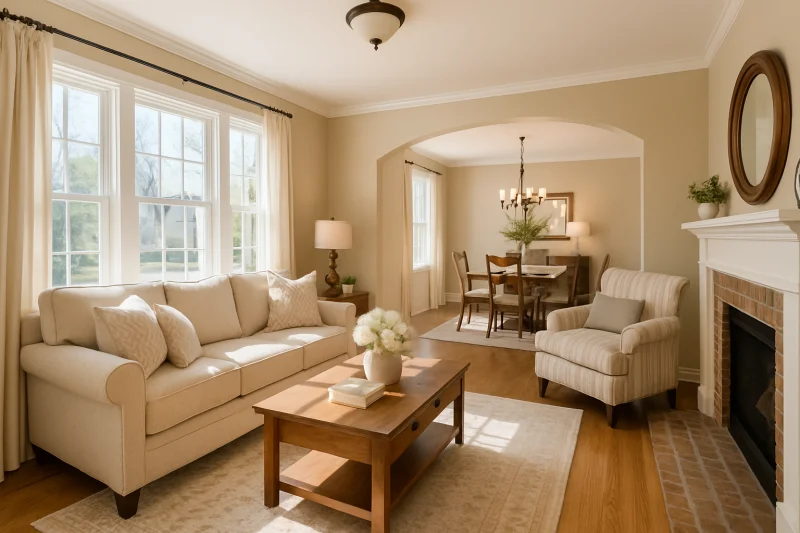
Buying a fixer-upper can create an opportunity to improve a home, but paying for the…
Financing Renovations: What Home Buyers in Kane County Need to Know
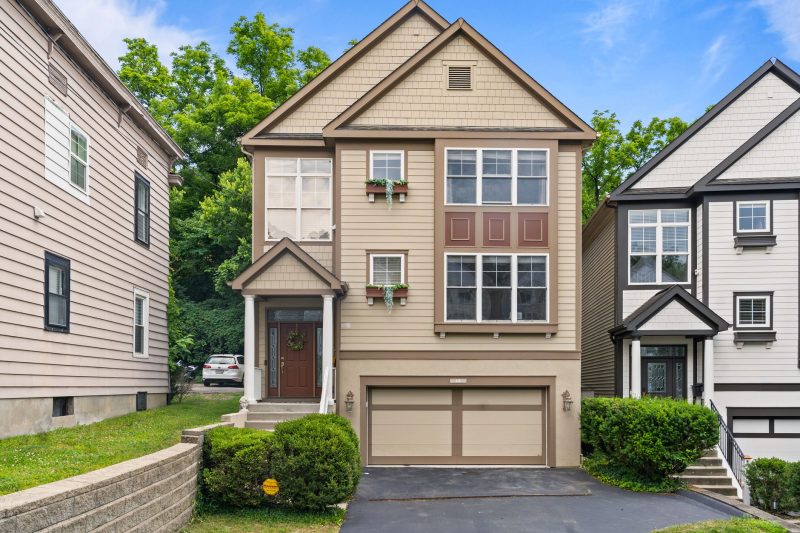
Tackling a fixer-upper or renovating your current home in Kane County can be exciting, but the financial side often feels complicated or intimidating. Financing renovations involves using specific loan programs designed to help buyers and homeowners pay for improvements, repairs, or upgrades as part of the purchase or refinancing process. In this guide, we’ll break down your renovation loan options, how they work, and what to consider if you want to remodel in Kane County or the surrounding Chicagoland suburbs.
Key Takeaways
- Purpose: Renovation loans allow you to finance the cost of home repairs, updates, or remodeling as part of your mortgage.
- Eligibility: Qualification usually depends on your credit, income, renovation plans, and sometimes the property type or location.
- Process: Most renovation loans fund both the home purchase (or refinance) and the renovation costs, with funds released in stages as work is completed.
- Best For: Buyers with fixer-upper goals, homeowners needing repairs, or those seeking to update older properties.
Quick Answers
- Can I include renovation costs in my mortgage? Yes, many loan programs let you combine the purchase price and repairs into a single mortgage payment.
- Do I need plans and bids upfront? Most renovation loans require detailed contractor bids and work plans before approval.
- Are renovation loans only for buyers? No, existing homeowners in Kane County can use certain renovation loans when refinancing too.
- How are loan funds released? Funds are usually disbursed in draws after each phase of renovation is inspected and approved.
What Is a Renovation Loan?
A renovation loan is a mortgage that covers the cost of buying or refinancing a home plus funds for repairs or improvements—all in one new loan. Instead of taking out a second loan or using high-interest credit cards, you combine the project costs with your main mortgage. The amount you can borrow for renovations depends on the expected “after-improved” value of the home, based on your contractors’ bids and appraisal estimates.
The team at Midwest Specialty Mortgage LLC (NMLS# 2689347) has helped many Kane County home buyers and owners use renovation loans to modernize older homes, finance major repairs, or turn fixer-uppers into dream properties.
Popular Types of Renovation Loans
Kane County and surrounding areas offer access to multiple renovation loan options, each with its own eligibility and features. Here are the most common:
- FHA 203(k) Loan: Designed for homebuyers and owners using FHA financing, this option lets you include renovation costs on primary residences. Both standard and limited versions exist, based on the scope of work.
- Conventional Renovation Loans (Homestyle/Freddie Mac CHOICERenovation): Flexible loan programs that let you finance renovations on primary, secondary, or even some investment properties, depending on guidelines.
- VA Renovation Loans: For eligible veterans and service members, certain VA lenders offer renovation options; these have specific eligibility rules.
- Non-QM and Fix-&-Flip Loans: Investors, self-employed borrowers, or those with unique scenarios may explore non-QM renovation solutions or short-term fix & flip financing. These are often used for properties that need significant upgrades before resale or rental.
See our loan programs page for a full menu of renovation and specialty financing options available in Kane County and the surrounding Fox River Valley communities.
Main Benefits of Renovation Loans
- One Closing, One Loan: Purchase or refinance the home and roll all renovation costs into a single loan, simplifying your financing.
- Potentially Lower Costs: Interest rates on renovation mortgages are often lower than those of personal loans or credit cards used for home improvement.
- Access to More Homes: Expands your options to properties that may need repairs to be livable or meet lender standards.
- Build Equity Faster: Improvements may increase your home’s value, helping you build equity more quickly.
How Does the Renovation Loan Process Work?
Financing renovations with a mortgage in the Kane County area usually follows several key steps:
- Pre-Approval & Planning: Get pre-approved for a renovation loan before shopping or making offers. Discuss your renovation ideas, budget, and get an early sense of eligibility.
- Contractor Bids & Project Scope: Provide specific work plans and written bids from licensed contractors. These help the lender and appraiser estimate the “after renovation” value.
- Appraisal & Loan Estimate: The lender orders an appraisal based on the improved property. Your final loan amount will be determined based on purchase/refi price plus renovation costs and qualifying limits.
- Underwriting & Closing: Once approved, you’ll close on the full mortgage. The renovation funds are held in escrow by the lender.
- Renovation & Draw Process: Contractors complete the work in stages. Inspectors verify progress, and the lender releases funds in draws as each phase is completed.
- Project Completion: After final inspection, any remaining escrowed funds are released. You’re done!
Common Renovation Projects You Can Finance
Both homebuyers and existing owners in Kane County, McHenry, and surrounding counties commonly use renovation loans for projects like:
- Kitchen and bath remodels
- Roof replacement or repairs
- HVAC, electrical, or plumbing updates
- Structural repairs (foundation, framing)
- Flooring, windows, siding, or exterior improvements
- Accessibility upgrades
- Major landscaping or site work (within guidelines)
Most loan programs require that work be completed by licensed contractors, not “self-help” DIY projects. Some minor repairs may be allowed as exceptions, but always check guidelines.
Who Should Consider a Renovation Loan?
- First-Time Homebuyers: If you want to buy a home in Kane County that needs repairs, a renovation loan may let you purchase properties you otherwise couldn’t finance.
- Homeowners Needing Upgrades: Use renovation loans to refinance and upgrade your current home, rather than moving or taking out separate loans.
- DSCR Investors and Self-Employed Borrowers: If you’re purchasing investment properties or need a flexible documentation option, ask about DSCR loan programs or bank statement renovation loans.
Eligibility and Requirements
- Credit & Income: Lenders typically review your credit score, debt-to-income ratio, and income stability.
- Project Feasibility: Lenders want documentation showing the work is feasible, with clear timelines and budgets from qualified contractors.
- Property Eligibility: Most residential properties qualify, including single-family homes, some multi-unit properties, and manufactured homes (program rules may vary).
- Down Payment: Minimums depend on the program—FHA 203(k) may allow as little as 3.5% down on the purchase plus repairs, while conventional options vary.
- Appraisal & Loan Limits: The post-renovation value must fit within program or county-specific loan limits. Guidelines change often, so verify upfront.
Renovation Loans vs. Other Financing Options
| Loan/Product Type | Main Use | Typical Structure | Pros | Considerations |
|---|---|---|---|---|
| FHA 203(k) | Purchase/refi + repairs on primary residence | One loan, funds escrowed, staged releases | Low down payment, flexible credit | Requires mortgage insurance, FHA limits |
| Conventional Renovation | Purchase/refi, primary or investment | One loan, funds escrowed, staged releases | More flexible property types, no FHA requirements | Qualifying credit/income, varies by program |
| Personal Loans/Credit Cards | Small projects, quick repairs | Separate loan, no lien on home | Quick access, less paperwork | Higher rates, small limits, no mortgage benefits |
| HELOC/Home Equity Loan | Renovate existing home | Separate line/loan based on home equity | Flexible use, may be interest-only | Requires sufficient equity, separate payment |
Curious about which fits your situation? Our team can review FHA renovation versus conventional and other programs with you in detail.
Renovation Loan Tips for Kane County and Chicagoland Areas
- Start with a clear budget and renovation wish list before meeting with contractors.
- Choose licensed, insured professionals familiar with lender requirements and draw schedules.
- Document your renovation plans thoroughly—detailed bids and work scopes speed up approval.
- Expect the process to take a bit longer than a “regular” loan, since appraisals and project reviews are more detailed.
- Review county loan limits and local property values in Kane, McHenry, Kendall, Will, Cook, and Lake Counties, as they may affect eligibility.
- Check if manufactured homes or unique property types are allowed under your chosen program.
Start Your Renovation Home Loan Journey
If you’re considering a fixer-upper or want to improve your current home, renovation loans can open up new possibilities. We’re proud to serve Kane County and nearby communities, helping buyers and owners understand their options. Call, text, or email us to review your scenario, compare renovation loan programs, or start a pre-approval—so you’re ready when the right property or project comes along!
Frequently Asked Questions
Can I use a renovation loan to finance DIY projects?
Most renovation loan programs require that repairs and upgrades be completed by licensed contractors. “Do-it-yourself” work is typically not permitted. However, some minor repairs or cosmetic updates may be allowed under certain circumstances. Always check with your lender about what’s eligible for your scenario.
How long does it take to close on a renovation loan?
Renovation loans often take a bit longer than standard mortgages, sometimes 45 days or more, depending on the project’s complexity and documentation needed. Obtaining contractor bids, finalizing plans, and ordering an “as-completed” appraisal can add time upfront. Starting early with pre-approval helps prepare you for a smoother process.
Are renovation loans available for investment properties?
Some conventional renovation loan programs allow certain types of investment properties, though guidelines are stricter than for primary residences. FHA renovation loans generally require the property to be owner-occupied. DSCR and non-QM options may offer additional flexibility for investors. Review requirements with your lender.
What happens if my renovation costs more than planned?
Lenders rely on the original contractor bids and project budget when approving your loan. If costs run over, you’ll often need to cover the difference out of pocket, or in some cases, revise project plans and obtain updated bids for lender approval. It’s important to plan with a contingency budget and communicate any changes quickly.
Can I get a renovation loan for manufactured homes?
Some renovation loan programs do allow manufactured homes, provided the property meets specific guidelines for foundation, age, and construction standards. Not all lenders offer this, and eligibility may vary by county in areas like Kane or McHenry. Ask your loan officer for current program requirements.
This is educational and not financial advice. Loan programs and guidelines can change. Talk with a licensed mortgage professional about your specific scenario.

About the Author
Eusebio Marchosky
Owner Broker at Midwest Specialty Mortgage LLC · NMLS #2596350
I’m Chevy Marchosky, Broker Owner of Midwest Specialty Mortgage. I have over 40 years in the financial services industry, I’ve had the privilege of helping shape the way lending works—from the inside out.
Specializes in: Conventional, Non-QM Loans, DSCR/SBCRE Loans
Licensed in: IL, IN, IA
Related Posts