Trying to grow your real estate investment portfolio can be challenging, especially if you don’t…
DSCR Loans: A Guide for Today’s Real Estate Investors
Investing in real estate offers tremendous opportunity, but securing the right financing for investment properties can be a complex challenge—especially if your tax returns don’t clearly show your income. **A DSCR loan (Debt Service Coverage Ratio loan) is a type of mortgage designed for real estate investors, allowing qualification based primarily on the property’s rental income rather than the borrower’s personal earnings.** In this article, we’ll define what a DSCR loan is, outline how it works, and walk through the essential requirements for investors in Kane County and beyond.
Key Takeaways
- Purpose: DSCR loans enable investors to qualify for mortgages using the property’s rental income, not their personal income or tax returns.
- Requirements: Lenders typically focus on the property’s debt service coverage ratio, minimum credit standards, and a qualifying down payment.
- Timeline: The loan process generally takes several weeks, similar to other non-owner-occupied mortgage products.
- Best For: Real estate investors, self-employed borrowers, and those with complex or non-traditional income streams.
Quick Answers
- What is a DSCR loan? A DSCR loan lets you qualify for an investment property mortgage by using rental income from the subject property, rather than your personal income or tax return data.
- Who can use DSCR loans? These are commonly used by property investors, including those who are self-employed or have income that’s not easily documented with W-2s or tax returns.
- What’s required to qualify? Most lenders look for the property to generate enough rent to cover its mortgage payment and associated expenses—a strong ‘debt service coverage ratio.’ Other standard requirements apply, like a minimum credit score and a down payment.
- How fast can I close? Timelines are generally similar to other investment-property loans, usually taking several weeks depending on document readiness and property-specific factors.
- Is a DSCR loan right for me? If your investment property generates stable rent and traditional financing is challenging due to how your income is reported, a DSCR loan may be a strong fit.
What Is a DSCR Loan?
DSCR stands for Debt Service Coverage Ratio, which measures how well a property’s rental income covers its debt payments. In simple terms: lenders use DSCR to assess whether the property’s monthly rent (or projected rent) is sufficient to cover the monthly mortgage payment, taxes, insurance, and any HOA dues.
Unlike traditional loan programs where your personal income, tax returns, or pay stubs are front and center, a DSCR loan focuses on the income produced by the property itself. This makes DSCR financing uniquely suited for investors—especially self-employed borrowers or those with fluctuating personal incomes who find it difficult to meet standard mortgage underwriting requirements.
At Midwest Specialty Mortgage LLC (NMLS# 2689347), we regularly help real estate investors in Kane County, the Fox River Valley, and throughout Chicagoland understand if a DSCR loan aligns with their goals and portfolio strategies.
How Does a DSCR Loan Work?
When you apply for a DSCR loan, the lender evaluates:
- Rental Income: The actual or projected rent for the property. For new purchases, lenders often use a rental schedule (appraisal-based); for current rentals, leases or recent rental receipts are reviewed.
- Debt Service: The total monthly payment, including principal, interest, taxes, insurance, and applicable HOA dues.
- DSCR Calculation: DSCR is calculated as Net Operating Income ÷ Debt Service. Most lenders set a minimum DSCR ratio (commonly 1.0 or higher, but guidelines vary by lender and situation).
Provided the property’s rental income is high enough to meet or exceed the monthly debt obligation, you can qualify—even if your personal income isn’t straightforward to document.
DSCR Loan Example (for Illustration Only)
For instance: If a property generates $2,500 in monthly rent and the lender calculates monthly debts (mortgage, taxes, insurance, etc.) totaling $2,100, the DSCR is 1.19. If the lender’s threshold is 1.0, you meet the income coverage requirement.*
*Actual DSCR minimums differ by lender and market—always check your scenario.
DSCR Loan Requirements: What Investors Need to Know
Requirements can change, but some common DSCR loan criteria include:
- Eligible Property Types: Typically 1–4 unit residential investment properties (single-family, duplex, triplex, fourplex), some condos and townhomes; not intended for primary residence financing.
- Credit Profile: Minimum credit score requirements apply; most lenders prefer a 620 score or higher, but guidelines vary.
- Down Payment: A minimum down payment (often 20–25%) is generally needed. Lower down payment options may be available with higher DSCRs or compensating factors.
- Income Documentation: Rather than personal pay stubs or tax returns, lenders focus on actual or appraiser-determined fair market rent, plus a lease if the property is already rented.
- DSCR Threshold: Most lenders want to see a DSCR of 1.0 or greater (rental income covers the mortgage), though some allow lower ratios with additional reserves or larger down payments.
Other requirements may apply for specific scenarios, such as short-term rentals, mixed-use properties, or properties with commercial components.
How DSCR Loans Compare: DSCR vs. Traditional Loans
| Feature | DSCR Loan | Traditional Loan |
|---|---|---|
| Primary Qualifier | Property rental income (DSCR ratio) | Borrower’s personal income & debt-to-income (DTI) ratio |
| Typical Documentation | Lease/rent schedule, credit & asset check | Tax returns, W-2s, pay stubs, credit & asset check |
| Borrower Type | Investors, self-employed, LLCs | Personal borrowers, most purchases/refis |
| Ideal Use Case | Non-owner-occupied rental properties | Primary residences, most owner-occupied purchases |
| Income Verification | Property income | Personal income |
For more breakdowns of how DSCR and other specialized financing fits real estate investment strategies, visit our DSCR loan program information page.
Who Should Consider a DSCR Loan?
DSCR loans are well-suited for experienced and first-time real estate investors in Kane County and across the Northwest Suburbs of Chicago who want to:
- Qualify based on investment property income rather than their own tax return data
- Have non-traditional or variable personal earnings (e.g., self-employed, business owners, gig workers)
- Build or scale a rental property portfolio efficiently
- Purchase, refinance, or cash-out from an investment property
These programs can also help investors who purchase real estate through LLCs or partnerships when personal income documentation is limited.
What DSCR Loans Cover
Most DSCR loans apply to:
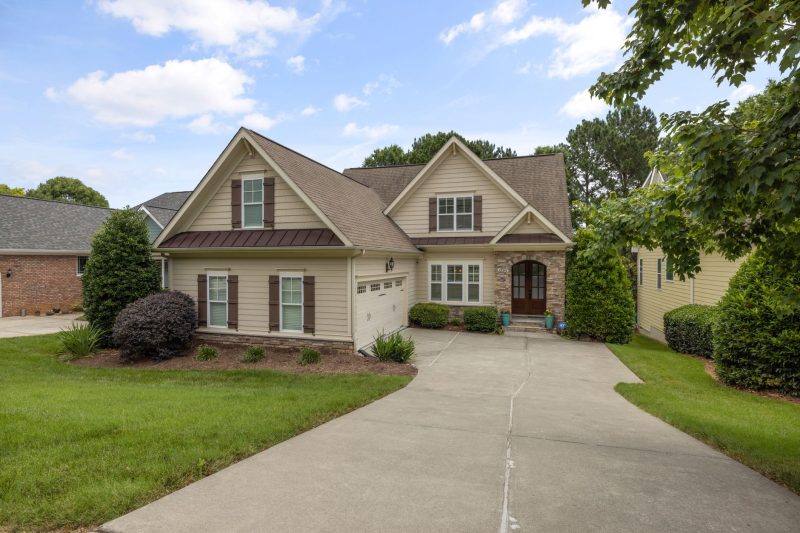
- Single-family rental homes
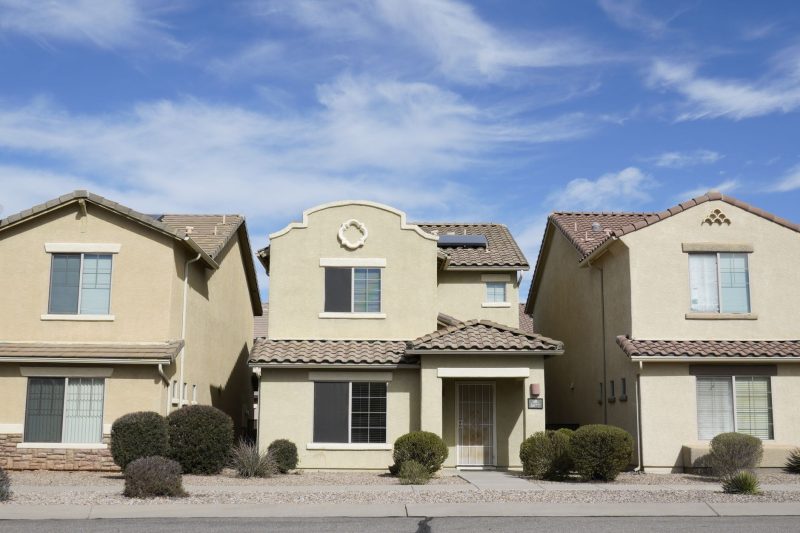
- 2-4 unit investment properties (duplex, triplex, fourplex)
- Some qualifying condo and townhouse units
- Long-term rentals, and with specialized guidelines, certain short-term vacation rentals
Properties must be non-owner-occupied. Borrowers looking to finance primary residences should explore other options such as FHA home loans or traditional conventional loans. For a complete look at what’s available, our loan programs guide provides an overview of all investment and specialty options.
How Is DSCR Calculated?
DSCR is calculated as monthly net rental income divided by your new mortgage payment (including all costs). Lenders may use:
- Actual Lease Income: From current lease agreements (often supported by bank statements showing recent deposits)
- Appraiser’s Market Rent: Used when a property is vacant or newly acquired
The monthly mortgage payment includes principal, interest, taxes, insurance, and sometimes HOA dues. If gross rent is $3,000 and your mortgage payment is $2,500, your DSCR is 1.2.
What Are the Pros and Cons of DSCR Loans?
Advantages
- No tax returns or W-2 income required
- Potentially faster documentation process
- Allows investors to scale—no strict portfolio or personal income caps
- Can be used for purchases, refinances, or cash-out strategies
Considerations
- Generally higher interest rates and larger down payments than standard owner-occupied loans
- Typically limited to non-owner-occupied properties only
- Some restrictions for short-term and vacation rentals; always check current guidelines
- DSCR minimums may be higher or require additional reserves for properties with lower income or unique characteristics
DSCR Loan Process: What to Expect
- Initial Consultation: Discuss your property type, investment goals, and confirm eligibility for DSCR financing
- Application: Provide details about your investment property, rental income documentation, and credit/assets
- Appraisal & DSCR Analysis: Lender orders appraisal with market rent schedule or reviews lease
- Underwriting: Lender verifies DSCR calculation, property condition, credit, and asset reserves
- Approval & Closing: Once approved, you’ll review and sign closing documents—then fund your purchase or refinance
Timeline is typically in line with conventional investment property loans (often several weeks) but can move faster with organized documentation.
Tips for Success with DSCR Loans
- Document all rental income: Keep clear, consistent rental records to support your application.
- Know your numbers: Understand your property’s gross rent, expected expenses, and target DSCR.
- Check your credit and assets: While personal income is less emphasized, credit score and sufficient reserves are still important.
- Stay current on guidelines: Rules and fees change—work with a knowledgeable, local mortgage broker familiar with investment lending in Kane County and greater Chicagoland.
Ready to Explore Your DSCR Loan Options?
If you’re investing in Kane, McHenry, Kendall, Will, Cook, Lake, DuPage, Dekalb, or Grundy County and want to leverage rental income for your next property, let’s connect. We’ll review your investment scenario, walk through DSCR loan qualification, and help you compare all available options—including FHA, conventional, and other specialty loan programs.
Call, text, or email us at Midwest Specialty Mortgage LLC to discuss your goals or start the pre-approval process. Our team is here to help you plan your next move with clarity—every step of the way.
Frequently Asked Questions
What does 'DSCR' mean in mortgage lending?
DSCR stands for Debt Service Coverage Ratio. It’s a way lenders determine whether a property’s income can cover its mortgage payment and operating expenses, making it a key factor in investor loan qualification.
Can I use a DSCR loan for a property I live in?
No, DSCR loans are intended only for non-owner-occupied investment properties. For primary residence financing, programs like FHA, VA, or conventional loans are more suitable.
What kind of properties qualify for a DSCR loan?
Eligible properties generally include single-family homes, 2-4 unit multifamily properties, and some condos used as rentals. Short-term and vacation rentals may be eligible with specific criteria; restrictions vary by lender.
Do I need perfect credit to get a DSCR loan?
Most lenders require a minimum credit score, but programs are often available for borrowers with less-than-perfect credit. Other compensating factors, such as a strong DSCR or larger down payment, may help offset lower credit.
How do DSCR loans differ from traditional bank statement programs?
Both are designed for borrowers with non-traditional income documentation, but DSCR loans rely strictly on property income, while bank statement programs use the borrower’s business or personal bank deposits to estimate actual personal earnings.
This is educational and not financial advice. Loan programs and guidelines can change. Talk with a licensed mortgage professional about your specific scenario.

About the Author
Eusebio Marchosky
Owner Broker at Midwest Specialty Mortgage LLC · NMLS #2596350
I’m Chevy Marchosky, Broker Owner of Motto Mortgage Specialty. I have over 40 years in the financial services industry, I’ve had the privilege of helping shape the way lending works—from the inside out.
Specializes in: FHA, DSCR, Non-QM Loans
Licensed in: IL, IN, IA
Related Posts